The Promise and the Risk: Young Women Navigating the Age of AI

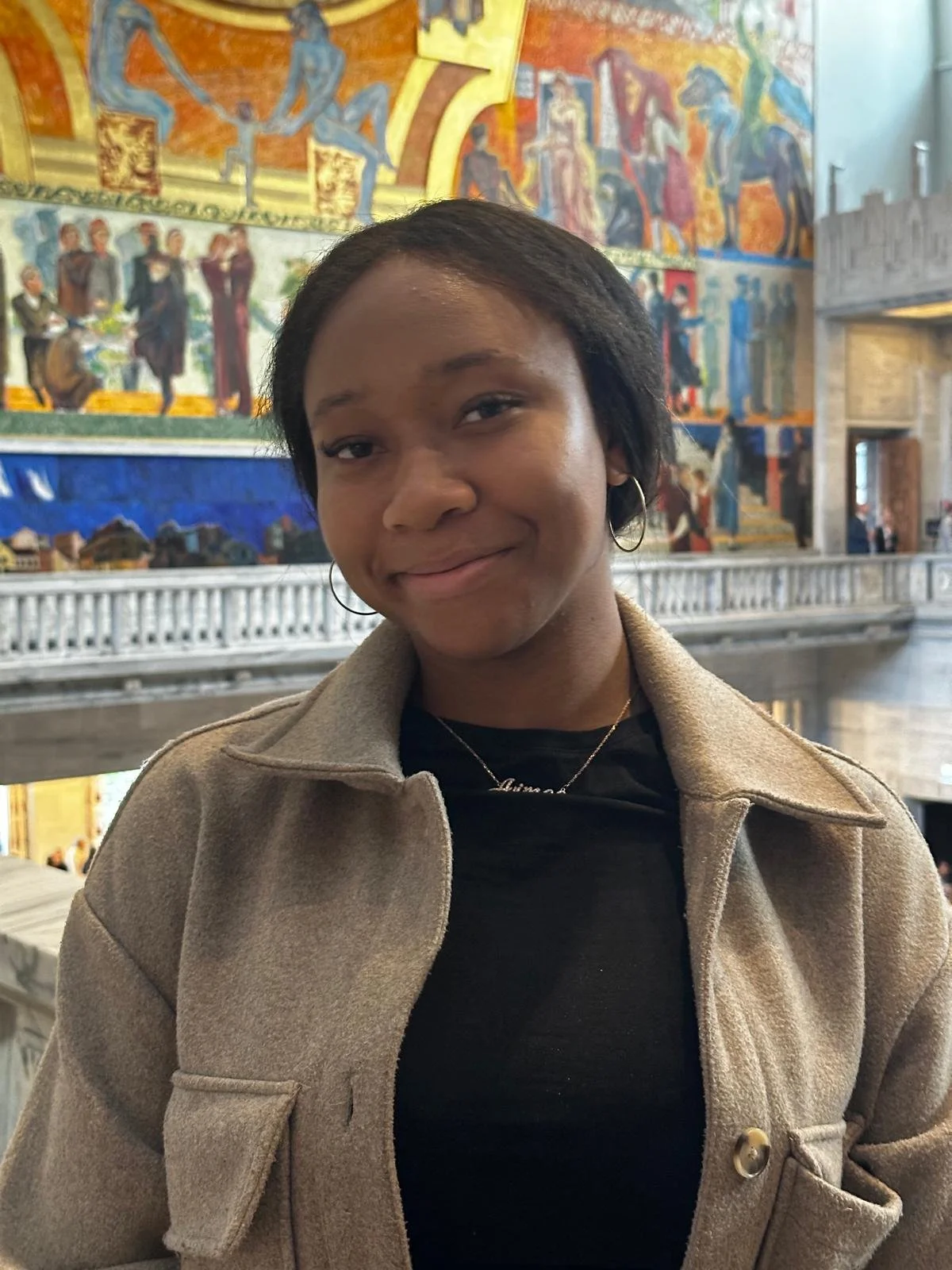
Hi everyone! I’m Aimee, a new digital rebel interested in all things AI and digital safety. I’ve been a longstanding advocate for a safe digital world for young people, and more recently, I’ve been focused on AI governance. In honour of International Women’s Day, I would like to use this platform to speak about something very important to me, the experience of women and young girls in the upcoming age of Artificial Intelligence.
As many of you are aware, Artificial Intelligence has quickly become a key part of many people's lives. It has been integrated into everything from education and workspaces to social media and video games. This is especially true for young people, with Nominet reporting 97% of young people aged 8-17 use AI (which is almost all young people), and around 52% are reporting to use AI more now than they were 6 months ago.
Though its fast-paced integration into many things can be daunting, AI tools offer many benefits for young people. Around 80% of young people have seen AI used in positive ways, and more than half (54%) believe it can make their lives better. Through my own research and discussions with fellow young women, I’ve seen many utilise AI tools for notemaking, revision aides, and testing tools. These tools help increase confidence and understanding in schoolwork. It also helps students who struggle with traditional learning methods by offering alternative, more personalised approaches. Through this, it has the potential to bridge the learning gap between struggling students and their peers, making education more achievable for all.
Young women are also using health-tailored AI tools for advice in areas they don’t feel comfortable discussing with parents and carers. One young woman I spoke to shared that an AI tool recommended she seek medical advice after describing a pain she was suffering from, which she hadn't considered beforehand. This experience resonates with so many young women who have sought advice from AI tools, and the advice has been extremely helpful. Though it should not substitute professional advice, it can help advise in scenarios where people are unsure of what to do.
Despite the benefits, many young women do not feel protected as the use of AI tools becomes more widespread. Sadly, some AI tools have been created with harmful intent, particularly “nudifying” tools. These AI models remove the clothes from an individual in an image, generating a fake indecent image of an innocent victim. Despite the photo not being real, the victim suffers real-life consequences such as judgment, blame or harassment. Only apps with the sole purpose of “nudifying” are considered illegal, so tools such as Grok are still being used in such a harmful way with almost no repercussions.
Additionally, it is unclear how to navigate such a situation as a young person, with many unsure who to speak to and how to explain these situations to parents and carers. As a result, many young women feel less confident in expressing themselves online, even behind a private account, as they fear the very sad yet very real possibility of becoming a victim to these tools.
In conversations with young women, many highlighted that AI tools are reinforcing unrealistic body image expectations for women. AI-generated photos of women often portray women with exaggerated body proportions, and often they are not disclosed as AI-generated. As a result, young women feel the need to adhere to these unrealistic expectations as they are unaware it is actually AI. Many feel this is contributing to a regression in the body positivity movement, as these unrealistic standards make a return and are being inflicted on women once again.
The lack of protection for women regarding AI models could partially be due to a bias in the data used to train AI models, as there are no concrete standards for what data is used to train the model. Though the lack of female representation in senior roles within these AI companies definitely plays a major part, as there aren't many advocating for the protection of women at the very top.
AI has the potential to be a positive tool for young people everywhere. However, without proper guidance, regulation and strong protection for young women, it can also cause detrimental harm. Young people do want to enjoy the benefits of AI, without feeling like they need to risk their digital safety. This is why it's crucial we strive for AI to be developed and governed with the safety of women and young girls at the forefront. This includes stronger safeguards and guardrails, much more education on the use of AI tools and how to stay safe while using them and more female representation in AI decision-making roles.