A Seat at the Table: My Experience Meeting the Prime Minister
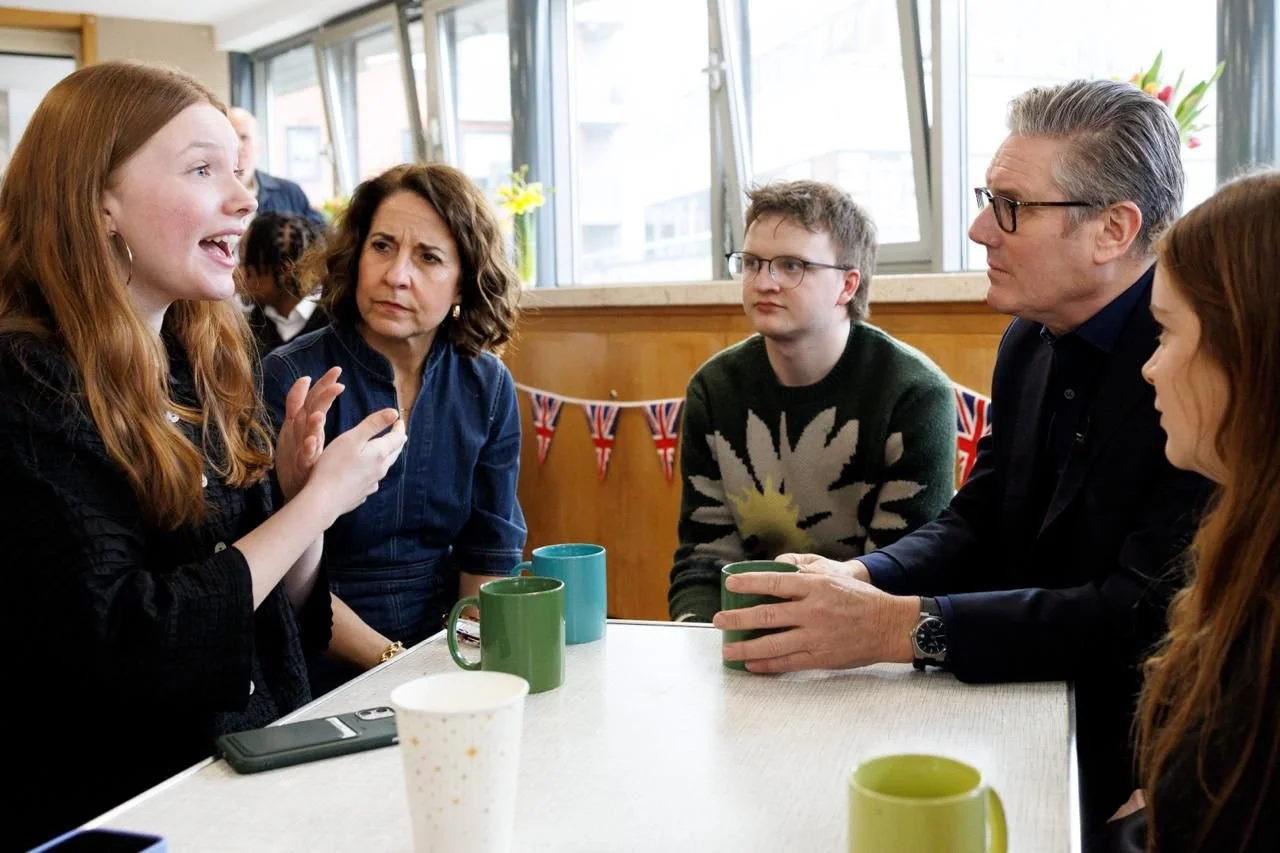
Last month, FlippGen had the opportunity to meet with the Prime Minister, Sir Keir Starmer, and Liz Kendall, Secretary of State for Science, Innovation and Technology, to discuss the relationship between technology and young people, and introduce the new government consultation ‘Growing up in the online world’.
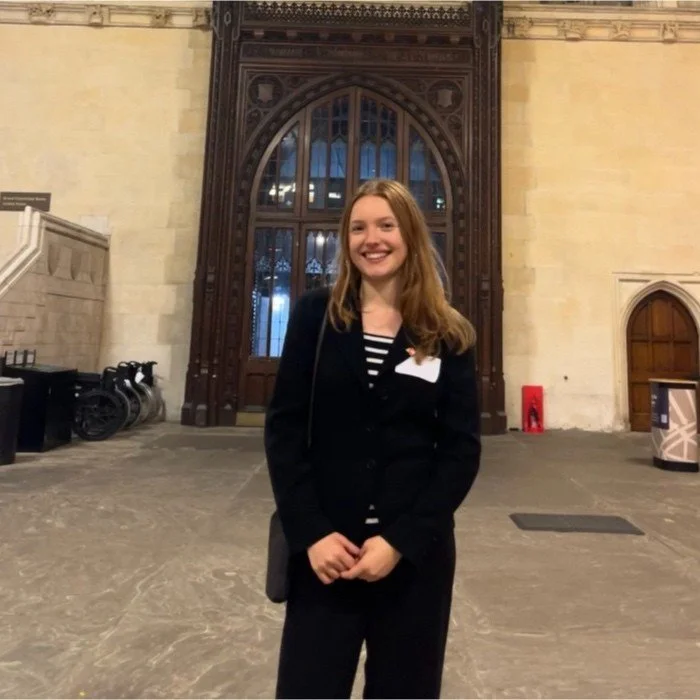
I, Millie, was one of the attendees alongside Paddy and Cosima, and FlippGen founder Paul.
On arrival, the room had a buzzing atmosphere, hosting a range of youth organisations, decision makers such as MPs, ministers and the Mayor of London, and the press. Everyone was introducing themselves, and conversing about work across the youth sector promoting digital safety and what to expect from the announcement.
The Prime Minister, Sir Keir Starmer, entered into the centre of the room and spoke to all in attendance. Noting that “the status quo… is not good enough” and that “nobody can make the argument that things can be left as they are”, he introduced a range of promises and proposals, hoping to both “protect children” and “help parents and carers who are really worried about this”.
What Keir Starmer announced:
1) Starmer reiterated his plans for a consultation into responding to technology and young people, particularly setting a minimum age for social media. He highlighted that there are many issues for young people on social media, particularly “the time that’s spent on social media, the content that’s available on social media, the addictive nature of a lot of what’s happening on social media”. He also addressed the concern of the efficiency of consultations, promising that the government will use “powers available to make sure at the end of that consultation [they] can act really fast”.
2) Starmer promised to take action against the use of addictive design features within social media. He noted that the government needs “to act very quickly… on the devices and applications that mean… auto scrolling”.
3) Starmer promised to address the dangers of AI chatbots. Highlighting the action the government has already taken towards the issue of deepfakes on the platform Grok, Starmer said “we’ve got to do it with all AI chatbots”, demonstrating intention for wider regulation surrounding chatbots. Such action is hoped to be achieved through “amending some of the legislation [the government has] already got in place”.
Following such announcements, FlippGen got the opportunity to talk one-on-one with both Keir Starmer and Liz Kendall to discuss announced promises and proposals. We discussed a range of topics including addictive algorithms, AI, digital echo chambers and misogyny, the need for digital literacy in education and the need for consistent youth voices in decision making rooms about issues impacting them.
The most prominent topic of our conversation was this potential social media ban for under 16s. FlippGen’s position is that while changes and restrictions to social media are vital to protect youth digital wellbeing, total bans for under 16s will be neither practical nor tackle the root cause of the issue (read more in our manifesto about the changes FlippGen calls for). In our conversation, it was noted that parents and teachers are presumed to lean more prominently for a social media ban, and while of course a range of voices and perspectives must be heard, we highlighted the need to still listen to and equally value the experience of young people.
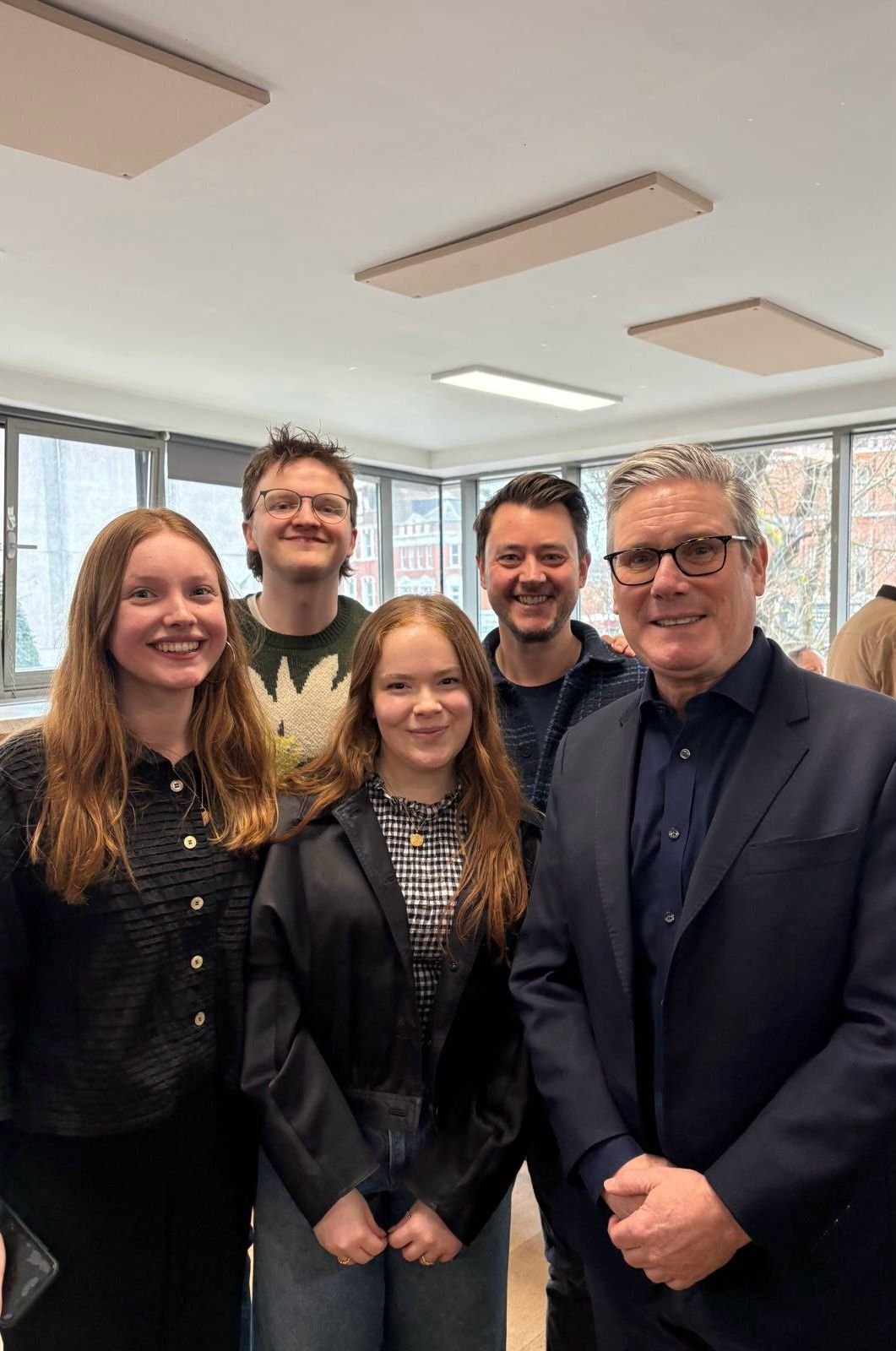
On reflection, it was an incredible opportunity to attend this event which saw young people being included within conversations about themselves, and I hope that this continues to be the case. I am optimistic about many of the Government's promises, particularly greater regulation over AI chatbots and the consultation in allowing for experts by experience to be considered when making the decision around how to respond and ensure digital wellbeing.
Since the meeting, the consultation has been opened, with the government calling for young people, teachers and parents to share their experiences of social media and views of which response they would like to see. Check out the FlippGen explainer to find out more about what the consultation is, the impact it has and how you can get your voice heard.